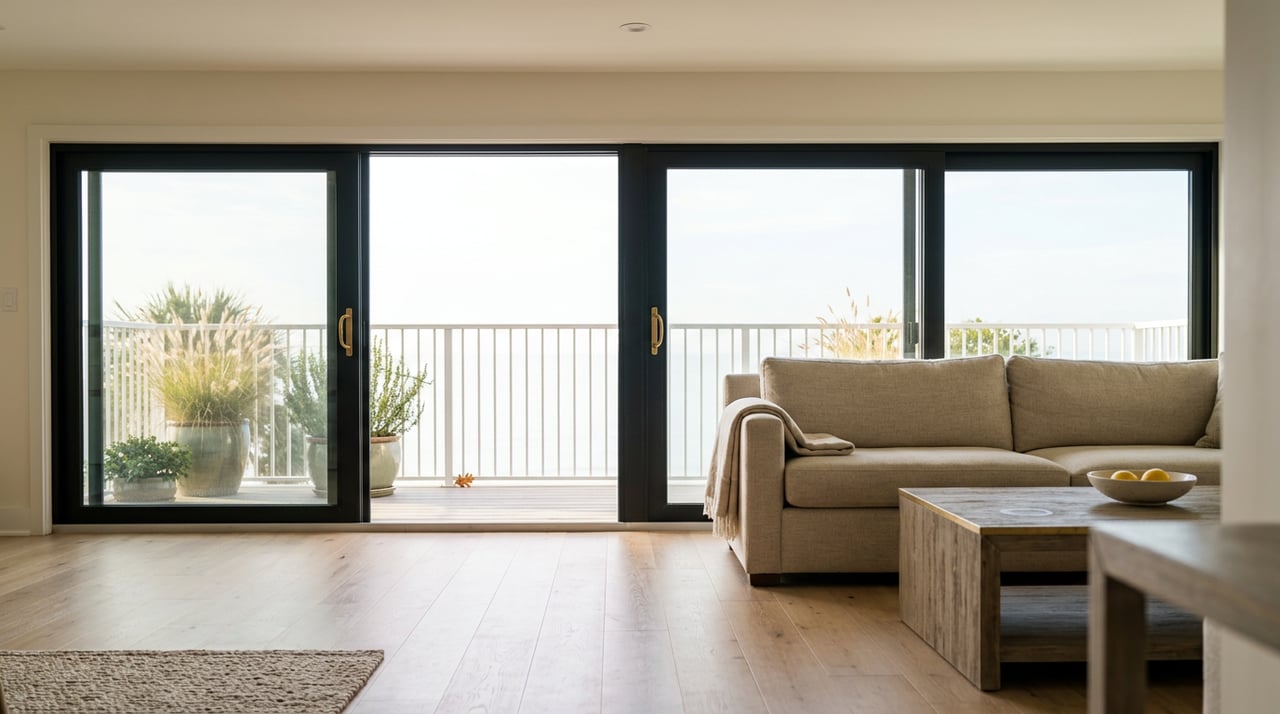
Wrightsville Beach Rental Rules Buyers Should Check First
August 27, 2026
August 27, 2026
In 2019, a business called Red Dogs reopened on North Lumina Avenue under new ownership after sitting closed for about sixteen months. Nothing about the building changed. No new walls, no new signage, no different footprint. The new owners simply took over a space that had operated the same way for years. Within weeks, Lumina News reported that the Town of Wrightsville Beach cited the business for operating without a Certificate of Zoning Compliance and began issuing a $50-per-day civil fine. The owners argued the space hadn't been altered or changed in use. The town's position, upheld by its own Board of Adjustment, was that a change in ownership counts as a change in use all by itself.
Red Dogs was a private club, not a beach house. But the rule that caught it sits in the same section of town code that governs every residential property on the island, including the one you might be about to buy with a rental income plan attached to it.
Wrightsville Beach's Unified Development Ordinance, Section 155.1.12.3, states that no land may be used or occupied, and no use may be changed, until the town's UDO Administrator issues a Certificate of Zoning Compliance. The ordinance is specific about what counts as a change in use:
"For purposes of this Section 155.1.12.3, a 'use change' shall include a change in ownership of the land or business operated upon the land."
That sentence is doing more work than it looks like it's doing. It means the rental history on a listing sheet, the glowing reviews, the booking calendar that's full through October, none of it automatically transfers to you when you close. The town treats your purchase as a new use, full stop, and reserves the right to review it accordingly.
In practice, this means buyers should account for the Certificate of Zoning Compliance when ownership changes. That undercuts the assumption plenty of buyers make that a home currently renting will simply keep renting once the deed changes hands; the town's own code does not support it. If a compliance question ever comes up, whether from a neighbor complaint or a permit application down the road, the town's starting position is that your ownership is a fresh use, not a continuation of the last one.
Here's where it gets more complicated, and more useful to understand before you write an offer. The town's zoning code is only one layer. The other layer, and increasingly the more decisive one, lives inside the building's own governing documents.
Following the Schroeder v. City of Wilmington ruling, which narrowed how much authority municipalities have to require rental permits, a lot of the real control over short-term rental use in this part of the coast shifted out of town hall and into the HOA boardroom. Wrightsville Beach's UDO explicitly says its own enforcement and interpretation aren't affected by deed restrictions, covenants, or easements, except when those restrictions were made a condition of a development approval. Translated: even if the town has no problem with your rental plan, the association's governing documents are another part of the due diligence.
This is why two buildings a hundred yards apart on the same island can have completely different rental economics. Some of the island's established oceanfront buildings, including well-known names like Station One and Wrightsville Dunes, have governing documents worth reviewing for rental terms.
| Layer | What It Controls | Where the Rules Live | Who Enforces It |
|---|---|---|---|
| Town zoning (UDO) | Whether the use itself is compliant, especially after ownership changes | Wrightsville Beach Code of Ordinances, Section 155.1.12 | UDO Administrator, Board of Adjustment on appeal |
| HOA or condo declaration | Rental-related terms for the property | Recorded declaration, bylaws, association rules | Confirm with the association |
A property can be perfectly fine on one side of that table and restricted on the other. Buyers who only check one side are the ones who end up surprised.
If the rental plan survives both layers, the next piece is the tax math, because it's not optional and it's not negotiable by building. Short-term stays in Wrightsville Beach carry New Hanover County's 7% general sales and use tax on top of the town's own 6% room occupancy tax. That's a combined 13% load on top of whatever nightly rate you set, before any booking platform fees. New Hanover County requires room-occupancy tax reports by the 20th day after the reporting month, so if you're managing bookings yourself rather than through a platform that collects and remits automatically, that's a recurring administrative task, not a one-time filing.
North Carolina's Vacation Rental Act defines a covered rental as residential property rented for vacation, leisure, or recreational purposes for fewer than 90 days to someone who maintains a permanent residence elsewhere. Anything that fits that definition requires a written rental agreement, and the law includes specific provisions around mandatory evacuations and refund rights, which matters more on a barrier island than almost anywhere else in the state.
As of early August 2026, there were 42 active listings across Wrightsville Beach, with an average of 91 days on market and a median list price of $1,975,000, working out to roughly $1,216 per square foot on average. That's a meaningfully longer marketing window than the island has carried in recent memory, and it changes the calculus for a rental buyer in a useful way. A slower market gives you room to actually request the declaration, the bylaws, and written confirmation from the HOA before you remove your due diligence contingency, instead of racing a multiple-offer clock that pressures buyers into skipping that step.
That said, slower doesn't mean abundant. Coverage of the island's luxury single-family segment earlier this year described inventory as exceptionally limited, with only about 13 homes available against 35 sales over the prior twelve months. Longer days on market and tight underlying supply can coexist when a good share of what's listed is priced for a narrower pool of buyers, which is common on a barrier island with almost no room left to build. The practical takeaway is that a longer average marketing period buys you time for diligence, but it doesn't mean there's slack in the kind of well-located, rental-viable inventory most buyers are actually chasing.
A short list, worth working through with your closing attorney before you go under contract on anything you plan to rent:
None of this is complicated once you know to ask. The problem is that almost none of it shows up on a listing sheet, and a rental history that looks strong under the current owner tells you what has happened, not what the town or the building will allow once the name on the deed changes.
Does a strong rental history transfer with the property? Not automatically. The town's own ordinance treats a change in ownership as a change in use, which means rental history under a previous owner isn't a guarantee of continued approval under a new one.
If the town approves my rental use, am I covered? Not necessarily. Review the HOA or condo documents as a separate part of your rental due diligence.
What taxes should I plan for on a short-term rental? Plan for New Hanover County's 7% sales and use tax plus Wrightsville Beach's 6% room occupancy tax, a combined 13% before platform fees, with county filings due by the 20th of the month following each reporting period.
Do I need a special permit from the town to run a short-term rental? The relevant town-level requirement is the Certificate of Zoning Compliance tied to use changes, including ownership changes, under the UDO.
If you're weighing a Wrightsville Beach purchase with rental income in mind, it's worth working through the declaration, the zoning history, and the tax setup before you're several weeks into a contract. Shannon Bowers has spent years walking Southeast North Carolina buyers through exactly this kind of due diligence. Let's Connect before you write the offer, not after.
This article is general information, not legal, tax or financial advice. Consult a qualified professional about your situation.
Stay up to date on the latest real estate trends.

As a lifelong resident of Southeast North Carolina, Shannon brings firsthand knowledge of the communities she serves along with a commitment to personalized service and responsive communication. Whether you're buying or selling, you can count on dedicated guidance, honest advice, and support tailored to your unique real estate goals.